Author: The Laid Back Librarian

  • Saints & Statistics: Why I am no longer recording my reading

    Saints & Statistics: Why I am no longer recording my reading

    There’s this phrase that has been bouncing around in my head this week: reading is for contentment. I came across it revisiting a passage I particularly liked in a book by The School of Life on how to live a simpler life. The premise stuck with me. Maybe, just maybe, we could be reading less, not more. Contentment is a concept you can’t pour more into, it’s already full on its own. It is about what you already have, where you already are.

    I was one of many who got sucked into the TikTok-ification of reading. By this, I mean the pervasive feeling that reading has become a competitive sport, the pressure to post about your reading statistics, and perform your taste. (If you read a book in the middle of the woods and nobody is around to see it, or you don’t post about it on Goodreads, does it count as reading?) Personally, I became a bookworm to avoid competitive sport, anything pertaining to math and performing in drama classes at school. Reading was my safe place. Somewhere along the line, my reading became crowded out by the voices of ‘more, more, more!’ and I lost the deep way that I grew to read as a child.

    Gretchin Rubin, the author of The Happiness Project, wrote that she felt silly being an adult that liked to read (and re-read) children’s literature. Until she discovered other like-minded folk who wanted to read the same stuff. Emboldened, she started a book club for adults who exclusively read children’s books. I had a similar discussion with a patron in the library this week. She plopped a whole pile of children’s chapter books onto the counter and said, ‘just so you know, these are for my son.’

    I said, ‘I wouldn’t judge you if they weren’t, I love reading children’s books.’

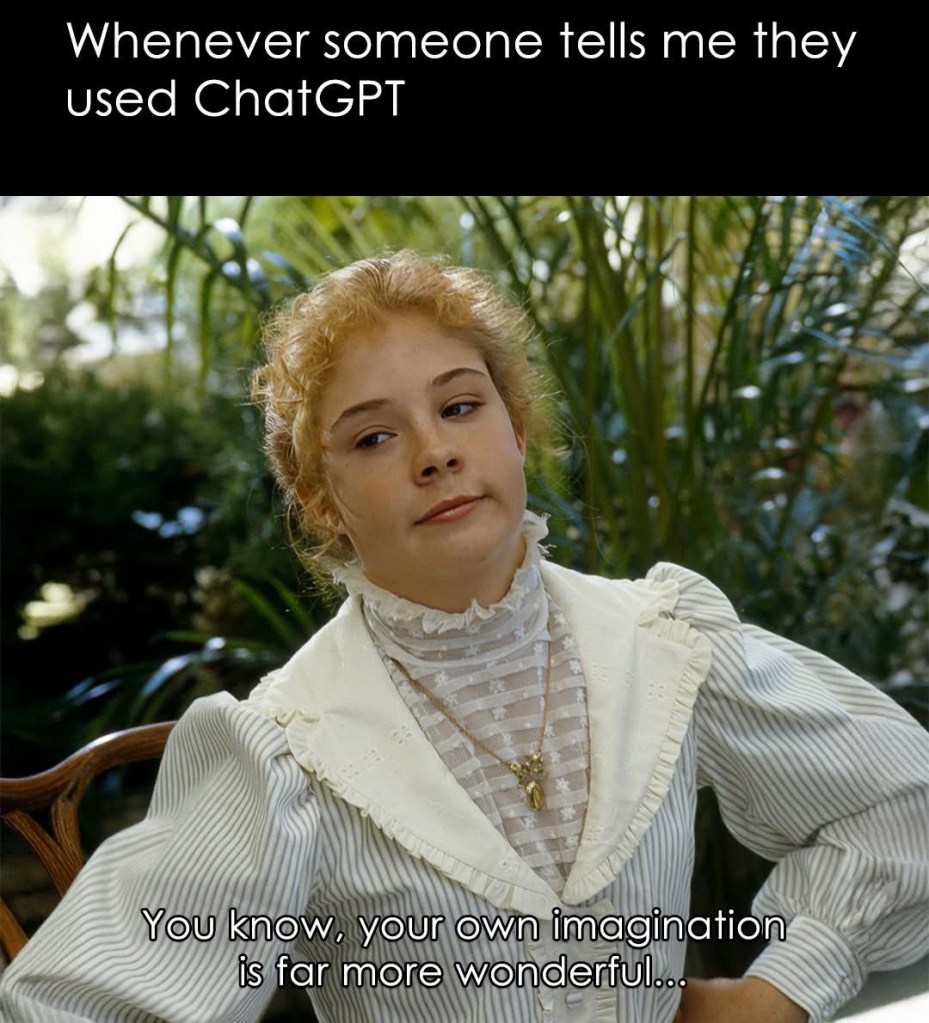
    She laughed and said, ‘Well I have actually been enjoying re-visiting classics, like Anne of Green Gables, recently.’

    ‘I love that! Like Little Women, too?’ I said.

    She lit up and started to tell me about the classics she’s been reading.

    More and more, I’ve been pondering how to re-capture that distinctive joy in reading; that childlike delight. I’d been focusing on the wrong things: How can I finally read a hundred books this year? (I have never cracked that number.) Instead of questions like: How can I really enjoy my reading this year?

    I have found, oddly enough, that my mid-twenties has been a period of re-enchantment. For a while I tried living in the soul-suck of disillusionment, such as keeping up with politics (which only makes me more depressed). But I’ve begun rediscovering what made me light up as a child and clutching onto those things tightly once I’ve found them.

    My late teens and early twenties was, what I like to call, my Persuasion-era (Jane Austen fan, anyone?). The Persuasion-era is that time in life which Captain Wentworth would describe as so despicable of young ladies who are not of ‘strong mind’. Those who were willing, or amenable enough, to have their own opinions persuaded by others.

    Captain Wentworth’s look of disdain in the 2007 adaptation of Persuasion.

    I tried on almost everything in this time of my life. I followed each and every whim to its conclusion, until I figured out whether it was something I really wanted or not (like being a vegetarian for seven years. At first, it was merely to see if I could, and then I continued out of sheer stubbornness). This year, I’ve begun to read again in the way that I have always loved.

    Some of my favourite memories when I was young was going down to my sunny local library and plucking out books from the shelves. My favourite section was the historical biographies, mythology and World War I books.

    When I was twelve, one of the most memorable books I found was The House by the Dvina: A Russian Scottish Childhood by Eugenie Fraser. (I’ve had an itch to re-read this one for a while now.) It was so good, that when I found a secondhand copy of it in an opshop, I begged my mother to buy it for me for the price of one whole dollar. When I was thirteen, I found Forgotten Voices of the Great War by Max Arthur in the 900’s section and took extensive notes for no reason other than my own enjoyment. Back before I got ‘too busy’ to contemplate such an exhaustive exercise, I would pen pages and pages in my pre-teen hand on whatever took my fancy for the pure pleasure of it.

    I get this from my mother, I think. She’s a keen user of the ‘Commonplace Book’ method. Every book she reads has quotes carefully copied out and reflected on in her journal. Anyone who has attempted this method knows it is no mean feat. It is a labour of love. At some point, I began to see this deep engagement I had cultivated in my own reading as too time consuming. How can I bring this sense of abounding timelessness I felt in my youth into my present? I think by slowing down the way I read.

    Sure, in different seasons of life, we have different amounts of time to read. But there are snatches of the day I can stow away a moment to read and copy out a beloved quote. When it brings me so much joy, how could I deny the call? No, I won’t be reading a vast number of tomes this year, but each book is going to etch its way onto my heart.

    I’m not the only one getting off the book apps; the hype-train. Jenny Fern has a fascinating video on the subject. She says some things which I found to be quite profound, and comforting, too.

    Fern says,

    ‘I am really thinking a lot more about being a human and doing things that make me feel more in touch with humanity and I was finding [in] using these various apps and websites, that my humanity was not being fully honoured or recognised.’

    She laments the things we can do as a human that these apps cannot, like starting the year on a random date, engaging with reading that is not in a book (articles, short stories or fan-fiction, for example), or enjoying an experience without doing the mental gymnastics required to ascribe it with numerical value. Or the fact that, on the book apps, re-reading doesn’t count because that book only counts as one and you’ve already read it (?!).

    There is a particularly delightful phrase she uses: ‘There are these squishy elements to reading that I think we lose when we decide to use these apps.’

    Squishy elements.

    I love it.

    It made me think about that phrase: the medium changes the message. Bookish apps did change reading for me. It became about goals, not pleasure. Numbers not experiences. I stopped reading deliciously descriptive historical novels over 500 pages because a 200-page book could be finished faster. I put dense classics to the side in favour of shorter, snappier works.

    All for the algorithm.

    I remember reading, 21 Lessons for the 21st Century, by Yuval Noah Harari when it first came out in 2018 and thinking the author needed to chill out for pronouncing that the divine authority once enjoyed by deities and kings would be replaced by Big Data algorithms. I rolled by eyes, but kept reading. But, dear reader, he was right. The drama of human decision making is changing in the face of algorithms and data. I was determined to be above such pervasive data mining, and yet, years later here I am, changed by it.

    I remember one sentence of Harari’s that scared me: ‘Within a few decades, Big Data algorithms informed by a constant stream of biometric data could monitor our health 24/7.’ And then recommend you solutions with artificial intelligence. No way, I thought to myself. That’s too dystopian.

    And yet…

    In order to buy a house, my fiancé and I had a meeting with a broker about personal life insurance. The broker tried to sell us on a modern solution whereby you could get a five-dollar voucher off your groceries if you could complete certain health goals every week (your FREE Apple Watch would track it all for you! Your daily steps, your heartrate, everything! Pay off your mortgage quicker if you let a data-hungry company leech every intimate detail from you by living on your arm – even when you sleep!). Yikes.

    I, personally, am so opposed to this Orwellian surveillance, yet I would meticulously record my statistics every time I got that I-just-finished-a-book rush. My reading habits had quickly slid, without my notice, into a realm I neither valued nor wished to visit.

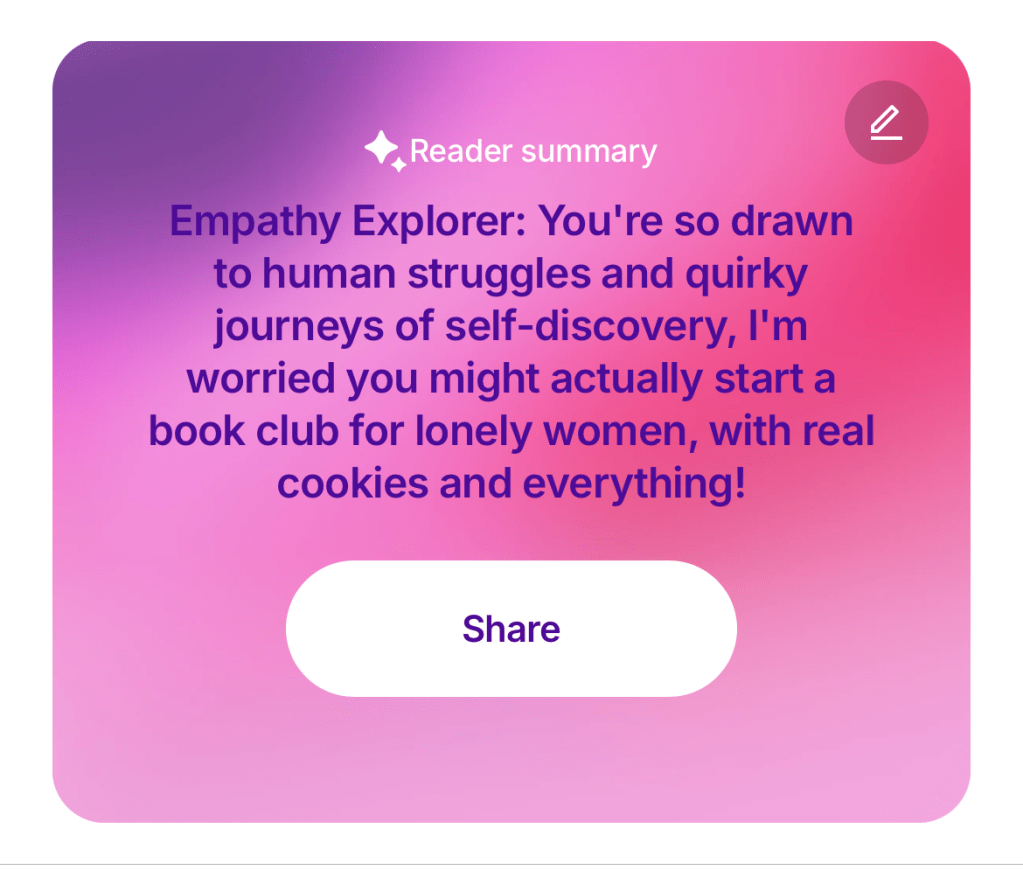
    (Not to mention the time that I gleefully signed up for the newest book app – Fable – and got burned by the AI summary. And, while I’m digressing, no shade to Storygraph. I still use that at work for the valuable data about trigger-warning topics when I’m recommending books to teenagers or sensitive people like myself. Every shade imaginable to Amazon, though.)

    An AI summary of my reading taste, according to Fable.

    Marissa Levien talks about this in her wonderful article, ‘What We Lose When We Gamify Reading’.

    She writes: ‘we are addicted to data and intent on improving ourselves over enjoying ourselves’. That hit me hard.

    I want to enjoy myself.

    I want to give books the chance to ‘burrow into my heart’, as Levien writes. I want to be surprised by strange books, experience every book (and not forget them the next week because I binge read them), savour every sentence, copy out the pages that capture my heart. I want to gain back the ‘art of reading slowly’ (doesn’t Levien write so beautifully? I cannot recommend the full article enough).

    Preaching at you is not my aim here. My passion is for my own project. I’ll still be recording the books I read, but the number will no longer be the focus. I still love reading goals (heck, even the goals at the library for children rock! Like reviewing eight books to a librarian and getting a free pizza). But I’m off the book apps for good.

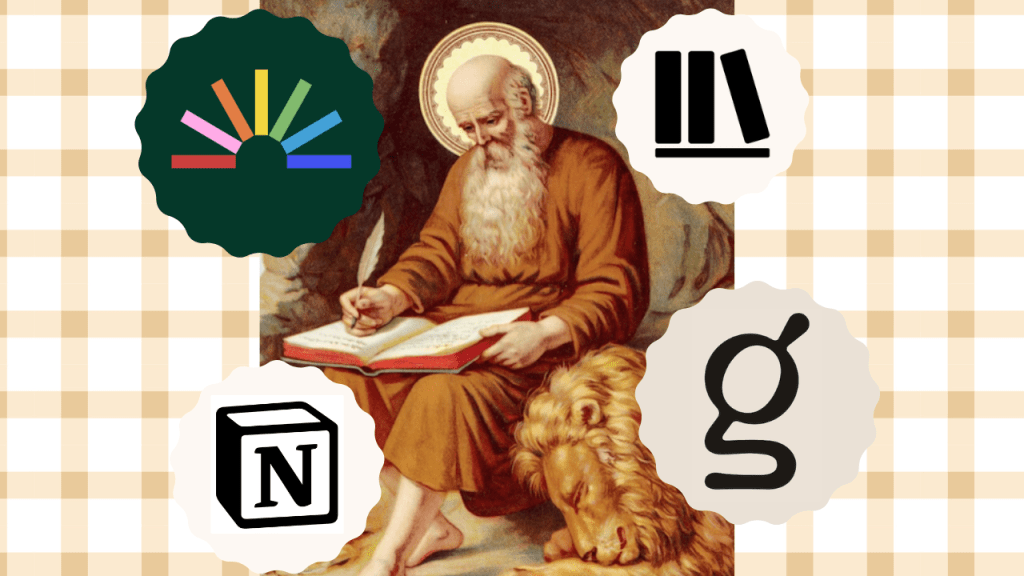
    Last year I finished the herculean task of transferring my combined Storygraph, Goodreads and Fable data to my Notion book tracking spreadsheet. Smugly, I thought, I’m off bookish social media. Yet I was still tracking myself.

    Now, I am embracing commonplacing. (If you want to learn more about that, check out this blog post from Miranda Mills.) I am remembering what it was like to randomly discover a book. To get a personalised recommendation from a real person rather than be pushed one by an algorithm. I am deeply engaging with what I am reading and leaving time to stare out the window and ponder the page I’m on. I’m diligently copying out the most meaningful quotes like I’m a teenager again. I’m re-reading old favourites.

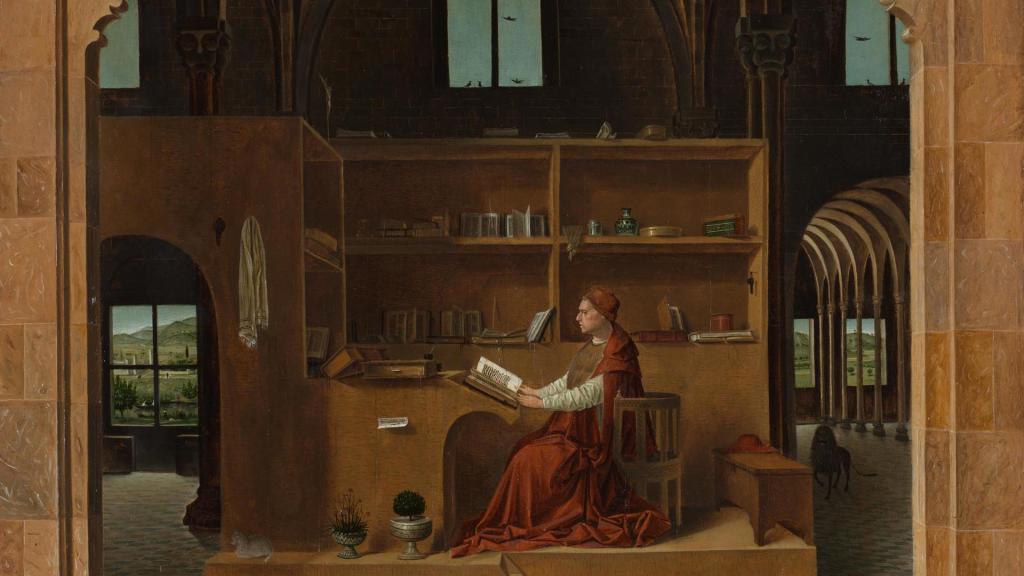
    St. Jerome, the patron saint of librarians and libraries, is depicted in a painting by Antonello da Messina as only owning around ten books.

    ‘Saint Jerome in his Study’ by Antonello da Messina.

    Ryan Bartaby, in The School of Life’s A Simpler Life book, writes that, ‘The truly well-read person isn’t the one who has read a gargantuan number of books, but someone who has let themselves, and their capacity to live and die well, be profoundly shaped by a very few well-chosen titles.’

    It’s a good reminder that reading for enjoyment – reading for contentment – is about how we read. Not how many.

    The Laid Back Librarian x

  • Books to be excited about (2026)

    Books to be excited about (2026)

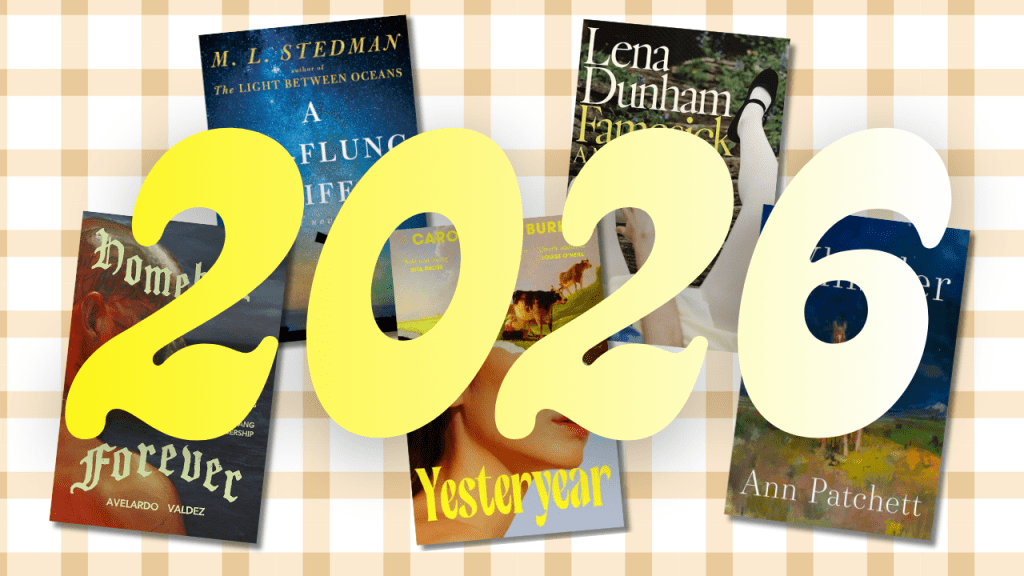
    It’s back to school time, and the cogs of publishing have begun to churn again. Here is a list of titles I am most excited about that are coming out this year, starting off with my five star predictions.

    (One thing to note about how I write about books: Before I read a book, I like to go in nearly blind. If a few key points peak my interest, that’s all I need to know. So if you want an in-depth blurb for a book, you’ll have to look elsewhere.)

    Five Star Predictions

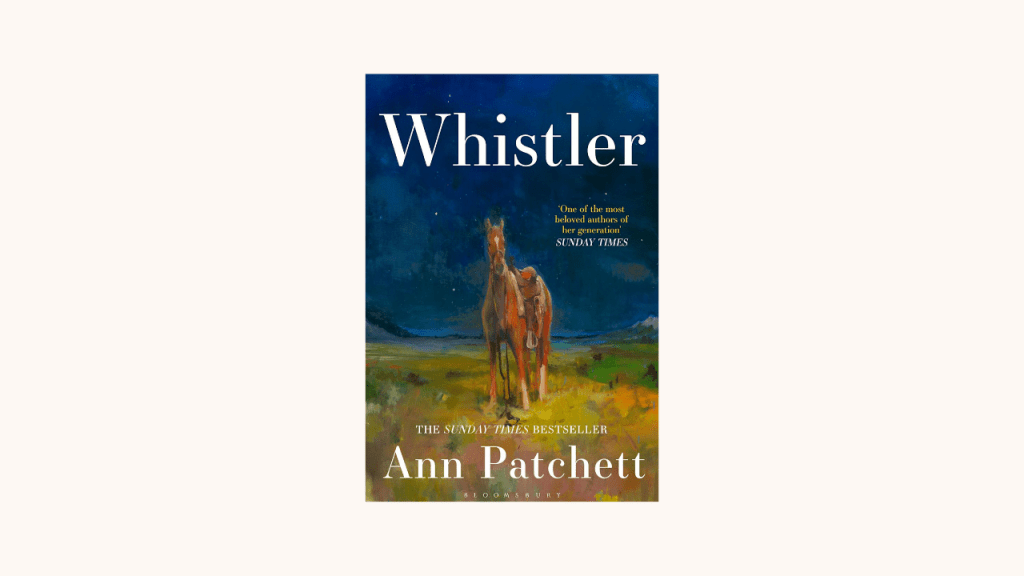
    Whistler ~ Ann Patchett

    To be released in June

    I had the absolute pleasure of meeting Ann Patchett after her talk at the Readers & Writers Festival in Tāmaki Makaurau Auckland, in 2024. She was just as thoughtful and kind as she appears online and even complimented me on my handmade booksleeve. I was very late to the bandwagon with Ann Patchett. Tom Lake was the first book I read of hers, closely followed by These Precious Days (coincidently two of her best book covers). Needless to say, I am so excited about this next book from her.

    Whistler is about a woman’s serendipitous reconnection with her former step-father. It’s about love, memory, impermanence and loss. There’s no doubt in my mind that it will be full of warmth, as Ann Patchett has written extensively in her essays about her deep bond with her own step fathers.

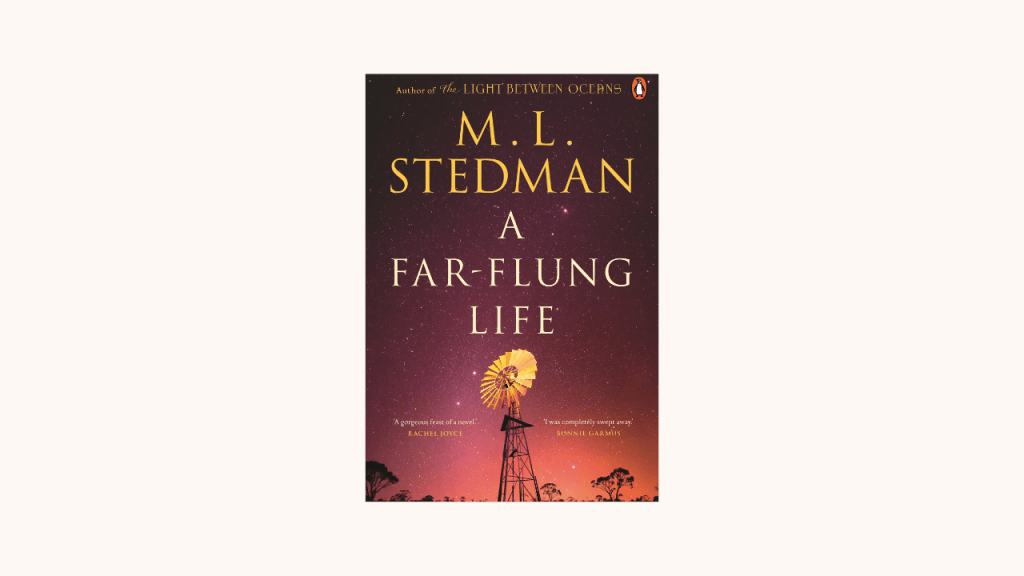
    A Far-Flung Life by M. L. Stedman

    March

    We haven’t had anything new from M. L. Stedman since her bestselling success with The Light Between Oceans in 2012. I read her first novel with a Book Club and absolutely loved it. It combines two of my favourite things in books: the Edwardian era and 1920’s, lighthouses and living in remote places. Her newest novel is sure to spark those same notes I love (and maybe will for you, too!). It is a historical novel set in 1958 on a remote sheep station in Western Australia.

    The True Confessions of First Lady Freeman by Deesha Philyaw

    September

    (Cover yet to be revealed)

    Secret Lives of Church Ladies has got to be one of my favourite short story collections of all time and I’d be lying if I said I didn’t have high hopes for Deesha Philyaw’s first novel. Described as a mega-church ‘rags-to-rolex’ story, that’s all I need to know to be fully onboard. I’m expecting it to have a similar tone to Netflix’s Greenleaf show, which is about a black patriarch of an American mega-church – its rise and fall and familial drama.

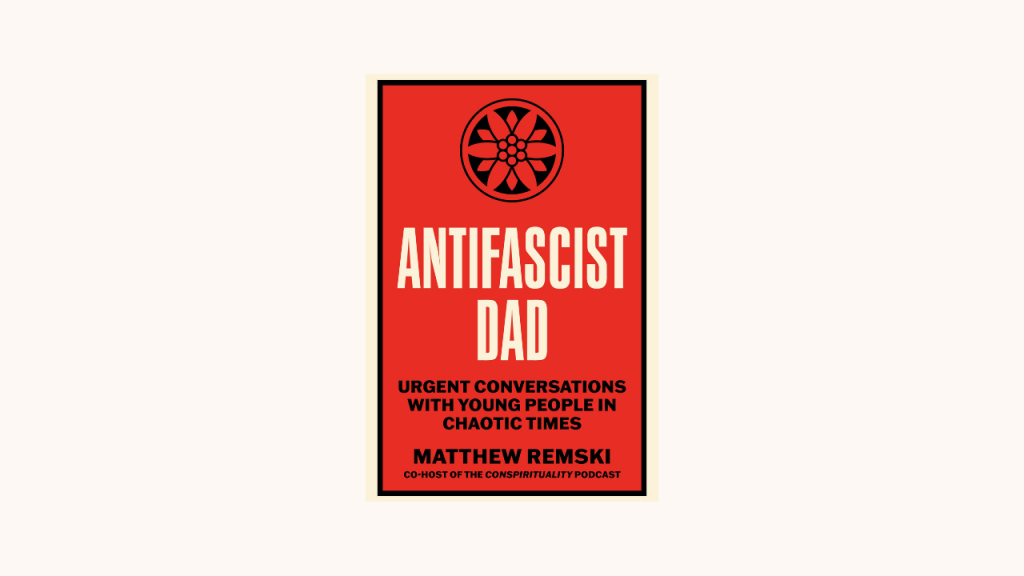
    Antifascist Dad: Urgent Conversations with Young People in Chaotic Times by Matthew Remski

    April

    One of the things I love about being alive in the twenty-first century is that I can thoroughly enjoy a World War II romance novel (hello to all my The Guernsey Literary and Potato Peel Pie Society fans), and not support fascism in the slightest at the same time. Matthew Remski is one of three co-creators of the Conspirituality podcast. The three podcasters wrote a book of the same name in 2023 following the social trends they had tracked across the pandemic. (A book I am only halfway through and still need to finish!)

    Remski’s new book seeks to tackle the current crisis we find ourselves in with boys and men in particular by offering alternatives to the manosphere, brofluencers and far-right punters. The book has been blurbed by Naomi Klein, who wrote one of my favourite books of 2023 called Doppelganger, so I think it’s going to pop off.

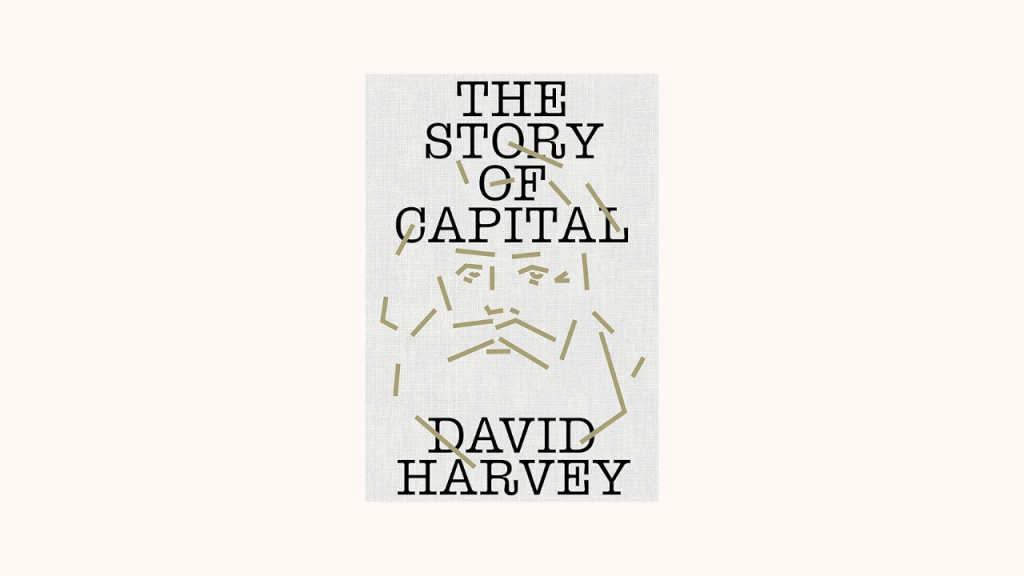
    The Story of Capital: What Everyone Should Know About How Capital Works by David Harvey

    February

    Last year I was part of a reading group that read Capital: Volume I by Karl Marx (it’s over a thousand pages). It was a dense yet surprisingly rewarding read. David Harvey was referenced a lot by the group, as he is an eminent Marxist scholar. Whilst I haven’t personally consulted Harvey’s commentary before, I’ve heard good things and think this will be a perfect (and hopefully quick!) refresher to keep these ideas in my mind. I’m hoping that by reinforcing my reading, I’ll be able to explain socialism (and capitalism) better on the fly.

    Top Picks

    Non-Fiction

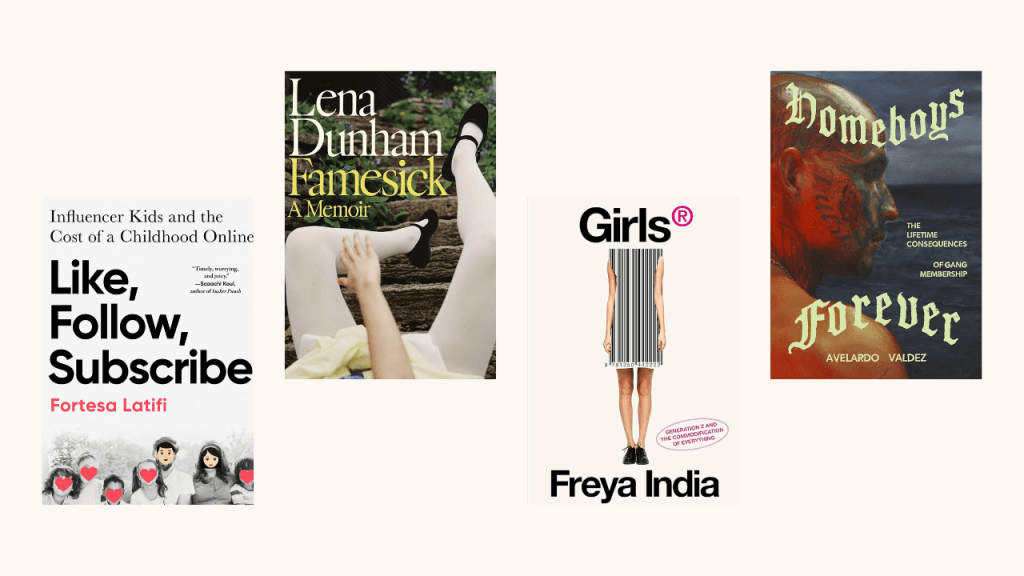
    Like, Follow, Subscribe: Influencer Kids and the Cost of a Childhood Online ~ Fortesa Latifi (April)

    This one looks like a fascinating foray into the twisted world of child influencers and family vloggers. It’s a topic many video essays have explored, but I’m in for a deeper dive into the darkness.

    Famesick: A Memoir ~ Lena Dunham (April)

    Finally another memoir from Lena Dunham. A devotee of her essays, including the collection Not That Kind of Girl, and her show GIRLS, I’ll read anything she writes. Dunham and Dolly Alderton are two essayists who’s frankness (and often crassness) got me through the crazy ride that is your early twenties.

    Girls: Gen Z and the Commodification of Everything ~ Freya India (March)

    I’ve been following along Freya India’s Substack for a little while, since she was featured by Jonathan Haidt. Her essays are gentle but firm, questioning and kind, and she often pens just the thing I’ve been pondering on and want to read about. So I’m stoked she’s produced a collection to hold in my hands (rather than read online, as I have a love-hate relationship with Substack).

    Homeboys Forever: The Lifetime Consequences of Gang Membership ~ Avelardo Valdez (April)

    When I used to threaten to up and move, my sister would always say that if you want community in a small town, you have to either join the church or a gang. I laughed at the time. Now I do live in a small town and know she was right. I was absolutely captivated by the show Sons of Anarchy (I have yet to finish it) and unfortunately did go through a bit of a biker-romance phase. This longitudinal study of Mexican men in Texas looks as fascinating as the fictionalized depictions.

    Nature Non-Fiction

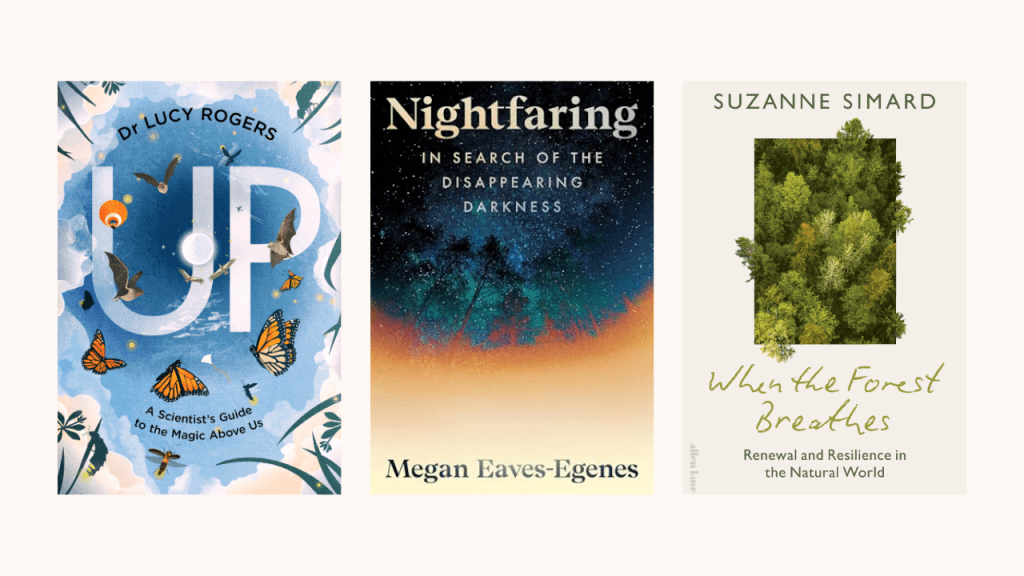
    Up: A Scientist’s Guide to the Magic Above Us ~ Dr. Lucy Rogers (April)

    Lucy Roger’s book is described as being for ‘stargazers, cloud watchers and dreamers’. As all three, I know this read is for me. Plus the cover is so cute!

    When the Forest Breathes: Renewal and Resilience in the Natural World ~ Suzanne Simard (March)

    Suzanne Simard’s first book, Finding the Mother Tree: Uncovering the Wisdom and the Intelligence of the Forest, has been on my TBR backlist for a long time. Her new book looks just as interesting in our age of climate change.

    Nightfaring: In Search of Disappearing Darkness ~ Megan Eaves-Egenes (January)

    A few years ago I read Johan Eklöf’s The Darkness Manifesto: Why the World Needs the Night, which inspired me to create a display for Dark Sky Week at the library. Here in NZ we have quite a few Dark Sky certified places, reserves and sanctuaries. It’s something we have to actively protect so we can see beautiful things like auroras, the stars and what Lucy Rogers calls ‘the magic above us’.

    Food Writing

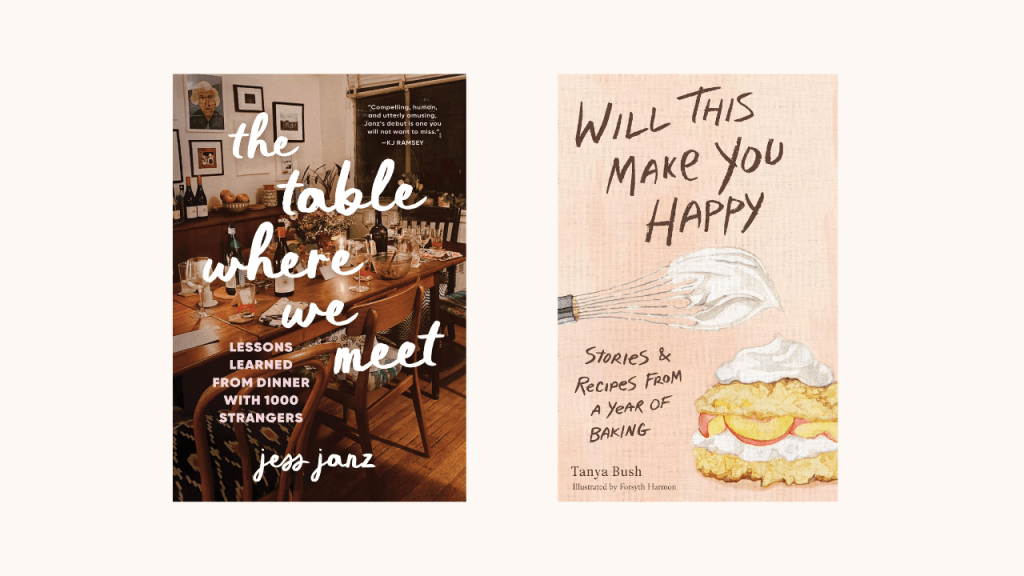
    I had no idea that food writing was a genre until I stumbled across Priya Basil’s Be My Guest: Reflections on Food, Community and the Meaning of Generosity at the library as a teenager. Ever since then, I’ve loved the genre and am always looking for that perfect blend of memoir and comfort food that Basil gave me. These two books look like a great offering for the palate.

    Capitalism

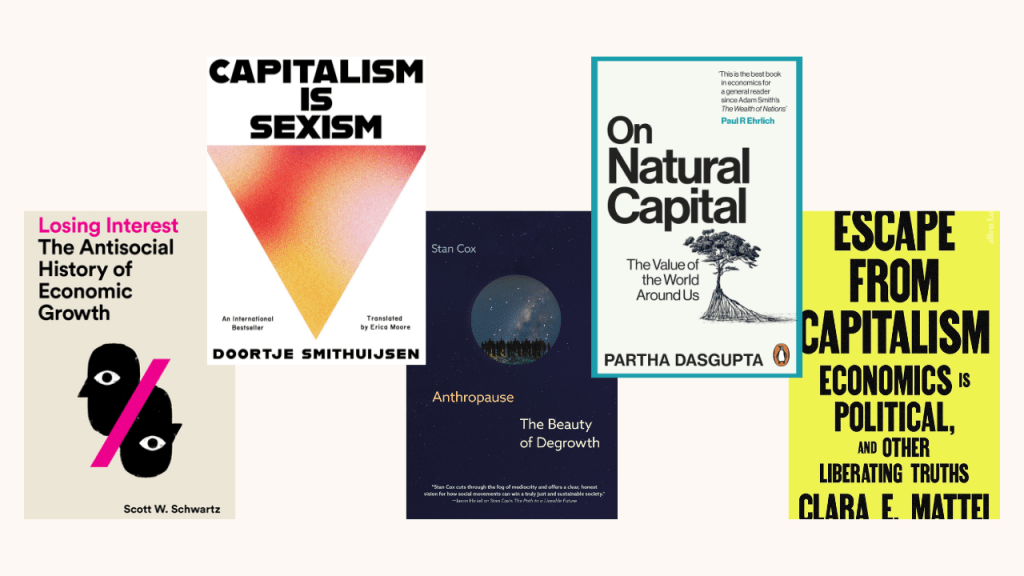
    Because I’m me, I have some specifically anti-capitalist books I want to read.

    • Losing Interest: The Antisocial History of Economic Growth ~ Scott W. Schwartz (April)
    • Capitalism is Sexism ~ Doortje Smithuijsen (August)
    • Anthropause: The Beauty of Degrowth ~ Stan Cox (January)
    • On Natural Capital: The Value of the World Around Us I ~ Partha Dasgupta (July)
    • Escape from Capitalism: Economics is Political and Other Liberating Truths ~ Clara E. Mattei (January)

    Fiction

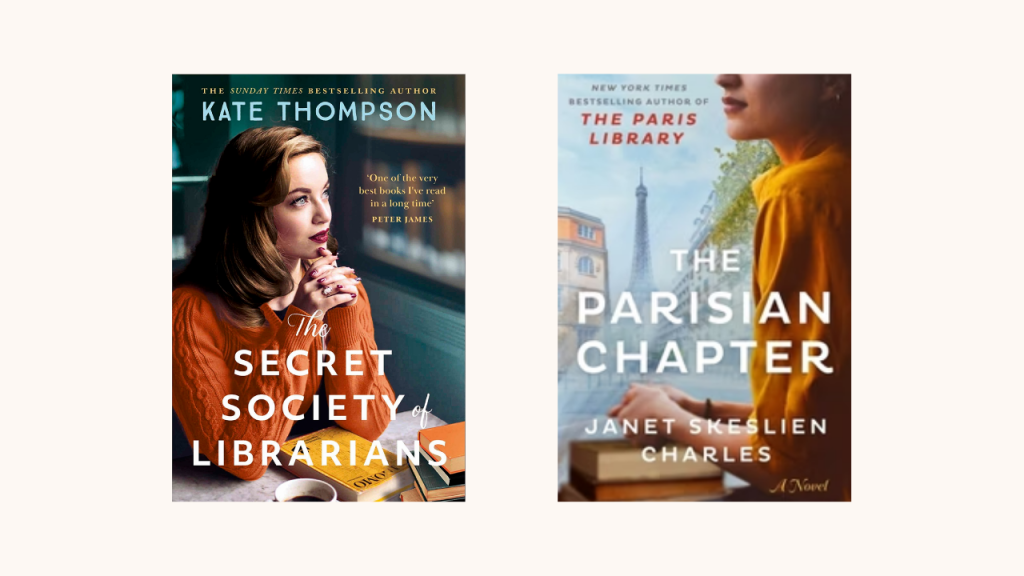
    Oh, did I mention I love WWII novels and books about books? Here’s two by authors that have been on my TBR before.

    • The Secret Society of Librarians ~ Kate Thompson (March)
    • The Parisian Chapter ~ Janet Skeslien Charles (May)

    Wild Card Fiction

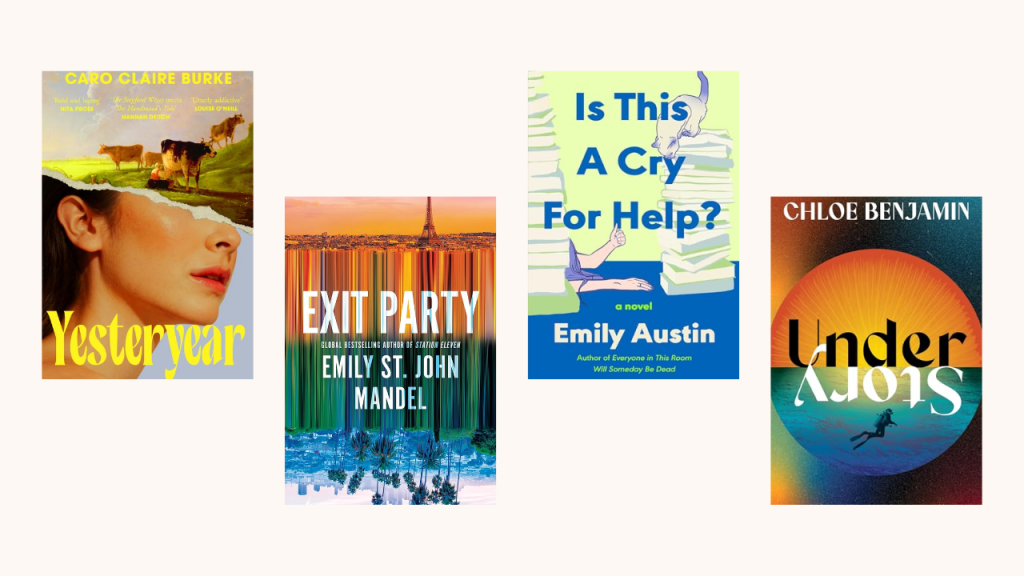
    My wild card picks include two authors I’ve read and enjoyed before (the two Emily’s), a novel about a tradwife who is sent back in time to face the past she idealizes (Yesteryear), a novel about a woman who washes dishes for a living on McMurdo Station in Antarctica (Understory).

    • Yesteryear ~ Caro Claire Burke (April)
    • Is This a Cry for Help? ~ Emily Austin (January)
    • Exit Party ~ Emily St. John Mandel (September)
    • Understory ~ Chloe Benjamin

    Middle-Grade

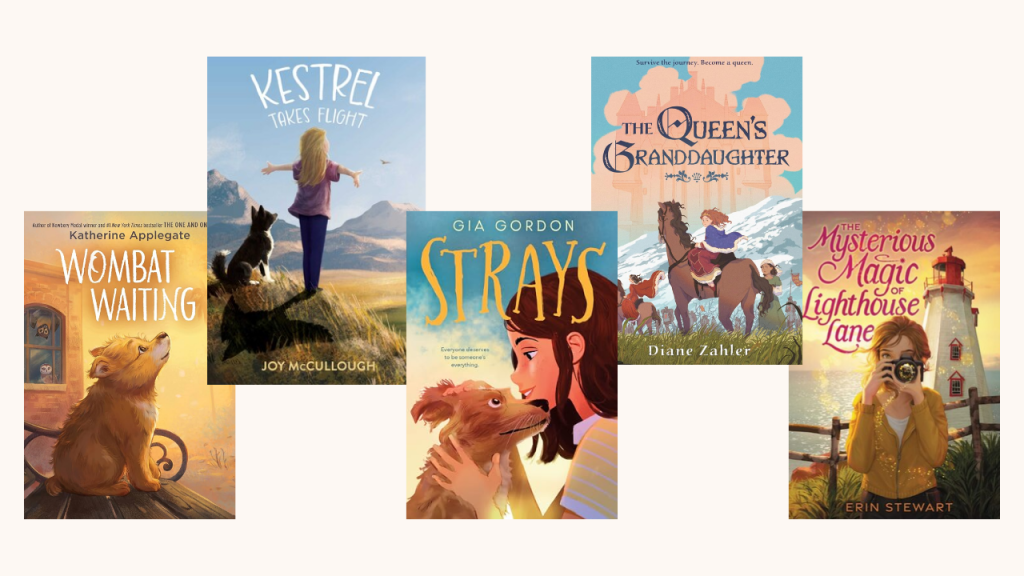
    My middle grade picks (from left to right). Katherine Applegate’s newest book looks adorable as always. I loved The One and Only Ivan when I first read it and need to read more from her. Joy McCullough’s novel is a religious reckoning told in poetry which sounds fantastic. Strays has been compared to Because of Winn-Dixie, which was one of my favourites as a child. Diane Zahler’s novel explores the journey of Queen Eleanor of Aquitaine’s granddaughter as she becomes a queen. There’s a lighthouse in this last one, need I say more?

    • Wombat Waiting ~ Katherine Applegate (May)
    • Kestrel Takes Flight ~ Joy McCullough (May)
    • Strays ~ Gia Gordon (June)
    • The Queen’s Granddaughter ~ Diane Zahler (March)
    • The Mysterious Magic of Lighthouse Lane ~ Erin Stewart (February)

    Hopefully I’ll get around to reading some of these (and fingers crossed I can review a few as well!). Although, based on how big my leftover books published from my 2025 list is that I haven’t got around to, we’ll have to see about that. 😂

    Love, The Laid Back Librarian x

  • My First Blog & Manifesto

    My First Blog & Manifesto

    People are never what you expect in the library. Little old ladies are reading the most ruthless crime novels, or toe-curling bodice ripper romances. Librarians – ahem, me – roll up their cardigan sleeves to reveal some serious tattoos. Working in libraries from the North end to the South end of Aotearoa New Zealand, I have bumped into all kinds of library patrons. From the teen secretly printing pregnancy resources and stuffing the papers up their hoodie, to the recently divorced father crying to me and begging for anything to read to take his mind off of his heartache. A day in the life of a librarian has a lot of diversity.

    I didn’t plan on becoming a librarian. At university, all I did was read books in coffee shops, acquire countless friends and leave my assignments to the last minute. I knew I couldn’t sit at a desk all day. But little did I know that I would turn out exactly like my father and find a career where I could chat to people all day. It’s strange being an extroverted introvert. I want to read books and I want to talk to people. It was obvious to everyone but me that I would become a librarian.

    Libraries are only as meaningful as the communities they serve. It’s become a favourite phrase of mine that libraries are one of our last third places. A third place is a sociology term describing the ‘third’ social environment after the first (being home) and the second (being the workplace). Environments such as churches, cafes, bars clubs, libraries, stoops and parks. It was a term coined by Ray Oldenburg in The Great Good Place (1989). What distinguishes libraries from others on this list is that there are no obstacles to entry: no religious or financial requirements. Anyone can walk into the library and stay for as long as it’s open, for free. Not many other places in twenty-first century society can boast somewhere warm, dry and comfortable to linger without paying a dime. I see it everyday that libraries serve our most vulnerable communities: those facing housing instability, those recently released from prison, refugees, parents, the elderly, the disabled and more. (If you need more convincing on why libraries are epic, please check out this video or read this article.)

    Children show pure joy on their faces when they come into the library. I love overhearing a parent, grandparent or caregiver saying, “just ask the librarian”. It makes me feel like human Google when I can point a patron in the right direction, or advise them on their reading or research queries.

    It’s a strange time in my life to be writing a blog because I did the romance-novel-trope-thing. I moved to a small town and fell in love. Now I’m planning a marriage ceremony, a new home, I just started a new library position, and for some reason, I’ve started this project too. My reading stats have gone down substantially. But, at the heart of this blog is sustainability, slowness and simplicity. I will be writing about my hyper-fixations, my fascinations and what I call ‘grandma values’ (for instance, being frugal, thrifty, having hands-on hobbies, mending and taking care of things for the future). There will hopefully be many articles forthcoming in their own good time.

    I’ve called myself The Laid Back Librarian for many reasons. One, because it is the kiwi way to be chill. Two, because after many years of trying to be perfect and to do things perfectly, I’ve begun to love the little surprises in imperfection. The serendipity of life when I slow down to notice it. When I’m in a rush, and trying to do everything, that is when I lose the beauty of now. It’s an aspirational moniker for me to try to live up to, as well. (Let’s be honest – it also was one of the only free domain names I liked, too.) I’ve come up with four main beliefs of The Laid Back Librarian so you know where I stand, and if you feel the same way, please feel free to stick around.

    The Laid Back Librarian Manifesto:

    1. I believe in treating all people with kindness. (One of the pins on my lanyard says so, too!)
    2. Like all booksellers, librarians and readers alike, I believe that the right book at the right time is like a little bit of magic. A book is a powerful tool, a comfort and a companion.
    3. I believe that libraries are a necessary public service, safe haven and third place which protect, reflect and support communities.
    4. I believe in active listening and being present with the patrons I interact with (this can be a struggle when things get busy!), responding with understanding, kindness and empathy. I often remind myself to slow down, stop and have the conversation, listen and learn. Because my community is what it’s all about.

    Love, The Laid Back Librarian x