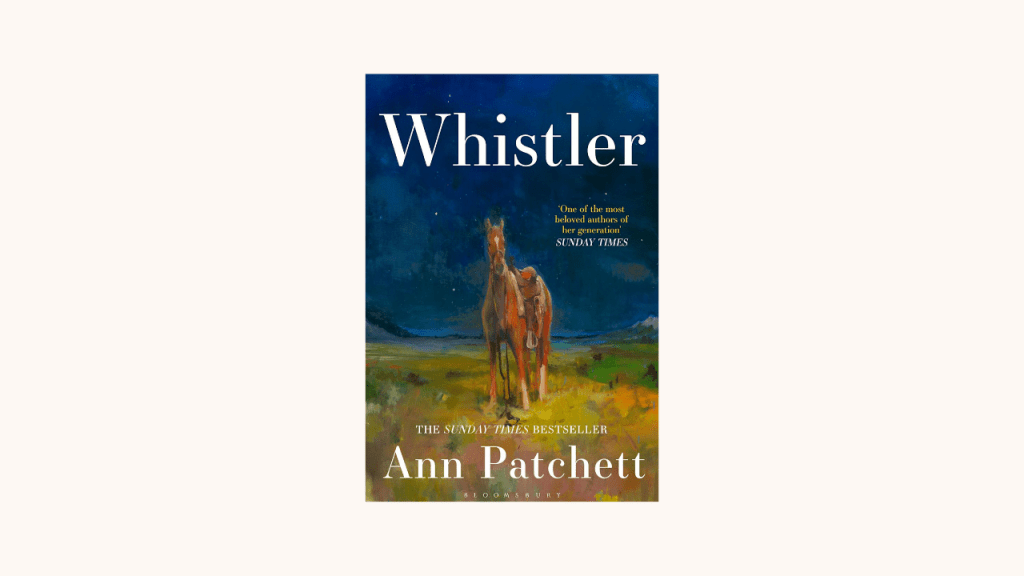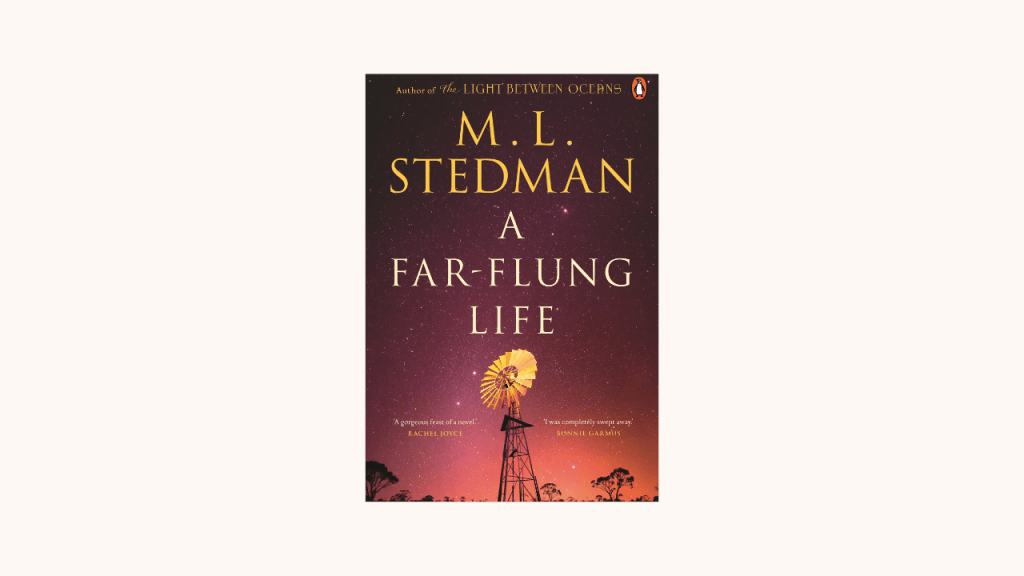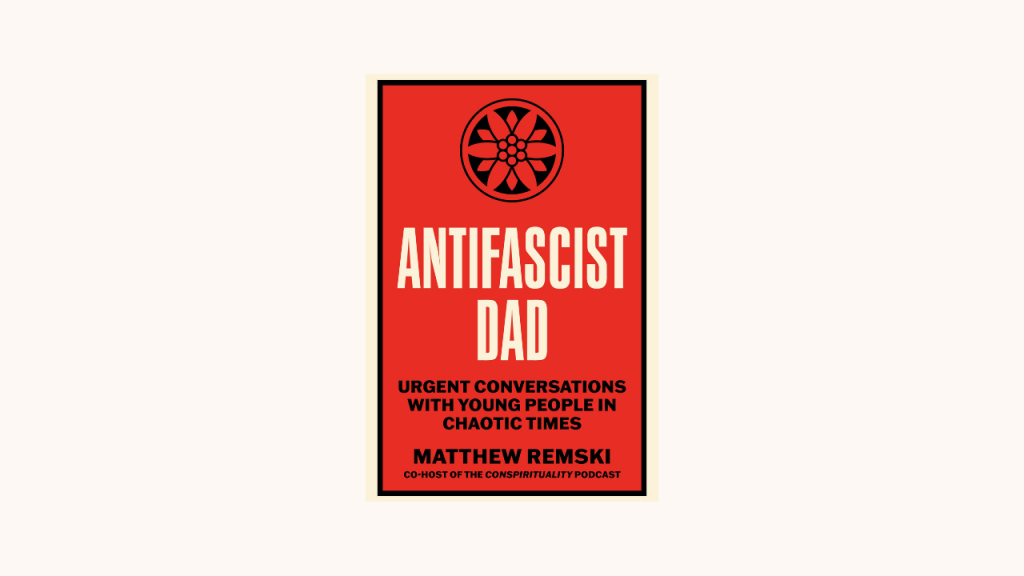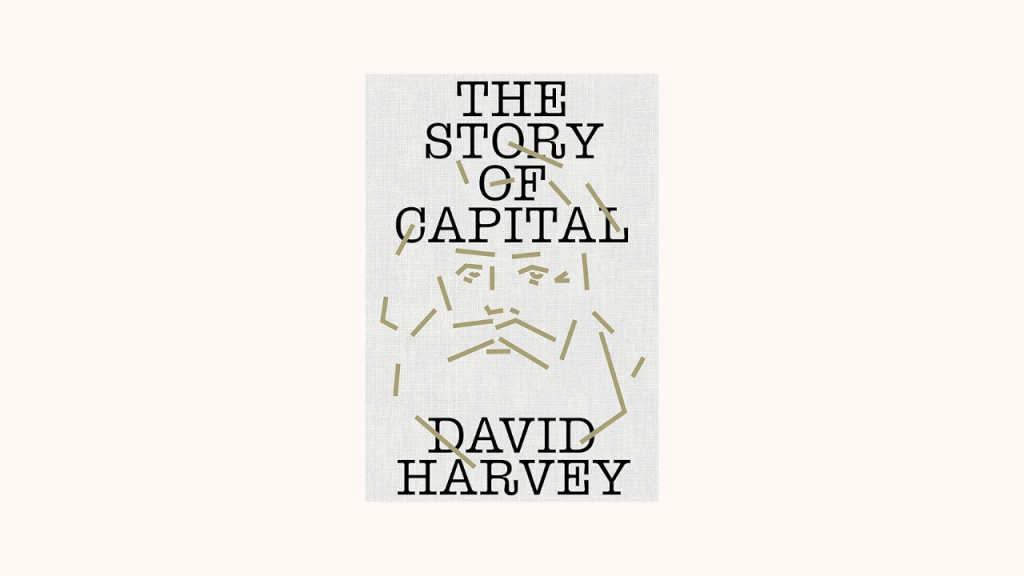
Isn’t it hopeful that in the age of Al there is still a demand for personalized book recommendations?
One of our loveliest patrons, let’s call her Iris*, came into the library the other day, clutched my hand and we walked, arms linked, over to the adult fiction section whilst she asked me, ‘what are you reading at the moment, dear?’
My choice of a factual, non-fiction read, balanced out by a frothy fiction I had been reading at the same time, didn’t appeal to her rather sophisticated literary tastes (such as prize winners, high-brow literature and the likes). We chatted books and she recommended Demon Copperhead, which she couldn’t believe she’d waited so long to read, and one of John Boyne’s elemental novels. I asked her if she’d read the debut by Linea Maja Ernst that was so popular in Denmark, Waist Deep. Iris said she gave it a go, but there was ‘too much sex for such an old lady’ like herself, but a ‘young thing like me might enjoy it.’
Many of my favourite library moments have been patrons personally recommending me novels (you’d think it would be the other way around, as a librarian). People who love to read are always bursting to share good books, and librarians like myself are some of the happy recipients. I once had a patron come up to me, having spotted my bee tattoo on the back of my arm, and recommend me a bee-themed book called The Honey Bus (it’s on my very long TBR).
On my multi-week road trip to the library I now work at, I stayed in a beautiful farmhouse for a night. I had just been texting with Josephine*, a delightful patron at my previous library, about the uncanny timing of moving and changing my life on the Spring Equinox; marking the transition into a season of longer sunlight hours and new growth. I wanted to live somewhere more rural, where I could see rabbits, sheep, ducks, flowers blooming and birds singing from my window. She told me about a book she had recently read (that won the Wainwright Prize) called Raising Hare: A Memoir by Chloe Dalton about a woman learning to live closely with nature.
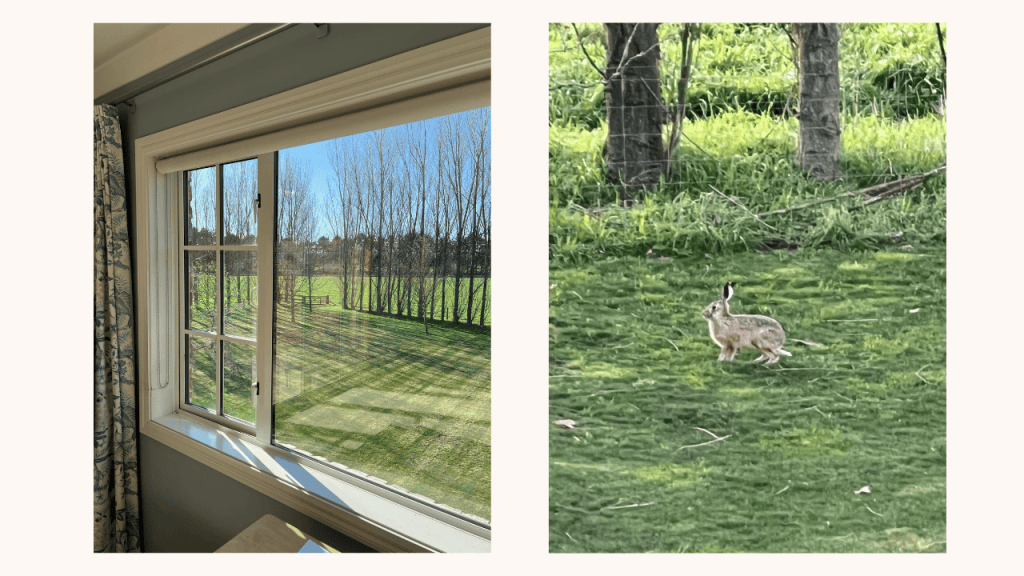
Sitting at the writing desk tucked below the window in this farmhouse, filling up the pages of my journal with the last few days of my journey, I saw a hare bound across the backyard. This was distinctly not a rabbit, it was huge and the ears were too upright. And I thought, that is a sign to pick-up the book Josephine just told me about. (I purchased a copy at the next independent bookshop on the road.)
Now I have this story about a transitional time in my life whenever I reflect on this book, and how it was personally recommended to me. It marks an important moment in my life. That’s part of the magic of a book; point to a key time in my life, and I can tell you what I was reading then and how the book came to me. This is so much more precious to me than any impersonal, algorithmic reading recommendation. Part of my digital detox has been about reading what I want to, not what the algorithm predicts I’ll like.
If you want to turn to something other than BookTok, Bookstagram or ChatGPT for reading recommendations, here are some of my tips on how to find them organically (not algorithmically).
In the Library
Eavesdropping between the shelves
I know this one sounds a little strange, but being in the library is the perfect place to overhear bookish conversations. It’s like reading the comments section in real life. Sometimes you’ll hear a really interesting tid bit (or find a book to avoid).
Book clubs and reading groups
If clandestinely listening by the shelves isn’t your style, try coming along to your local library book group. Depending on the size of your library, you might even have multiple options of groups to join that discuss different genres. Some groups will read around a particular theme, some will have each member read whatever they want – that way, everyone isn’t locked into reading the same old book. (Some groups will even have snacks and tea!)
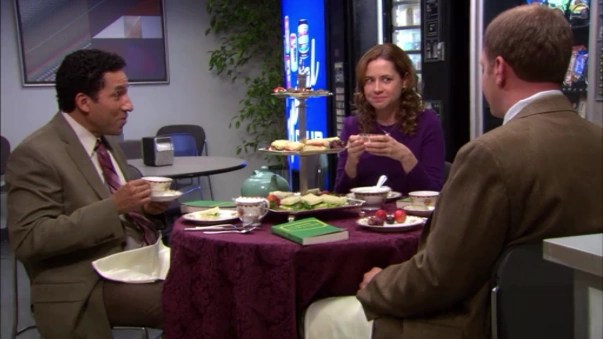
Sometimes the thought of meeting new people is simply too intimidating (I’ve been there). Scaling it down to meeting amongst bookish friends, or doing a buddy read with one friend, is just as fun. Or perhaps you could start a Finer Things Club with your work colleagues.
Recently returned
I can’t tell you the amount of times I’ve found an elderly patron snooping around my stocked up trolley, trying to find their next read by mining what other people have recently read and returned.
Ask a librarian
We’re always down for a chat (gone are the shushing librarians of yore). If we don’t know, we’ll track down a colleague who has a similar reading taste and find a literary match made in heaven. If you’re too shy to ask, check out the staff picks, or our many curated displays.
Judge a book by its cover
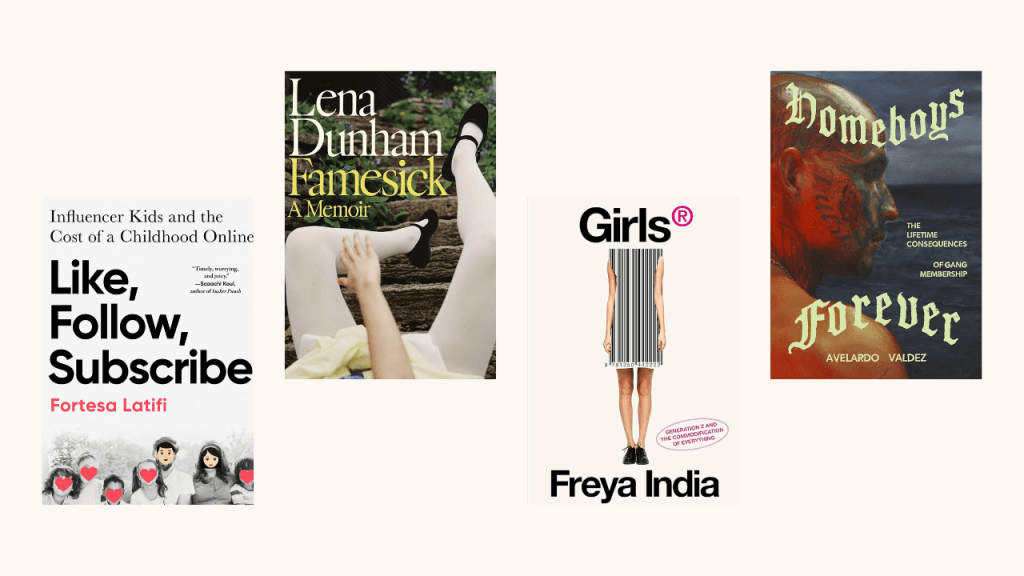
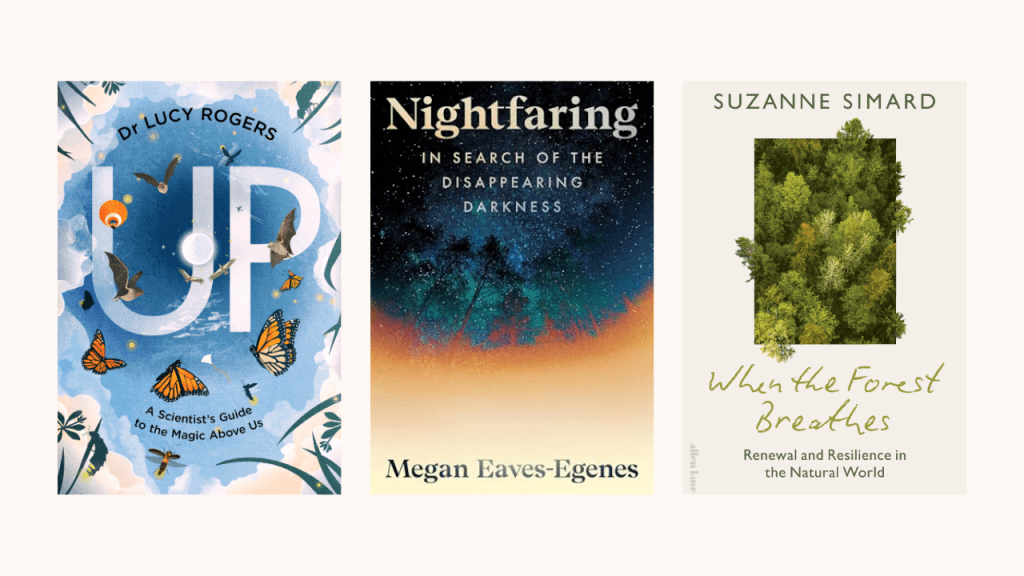
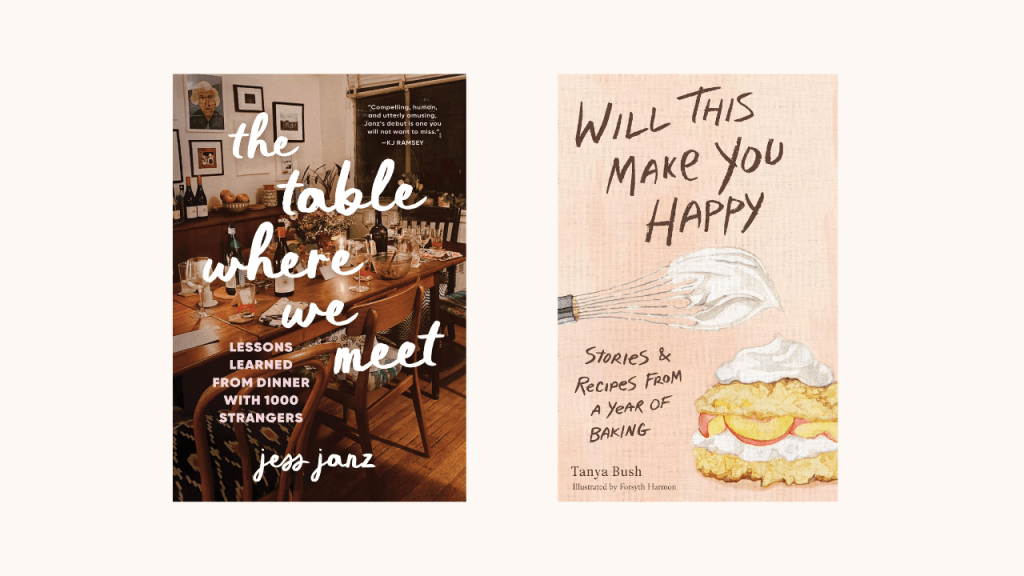
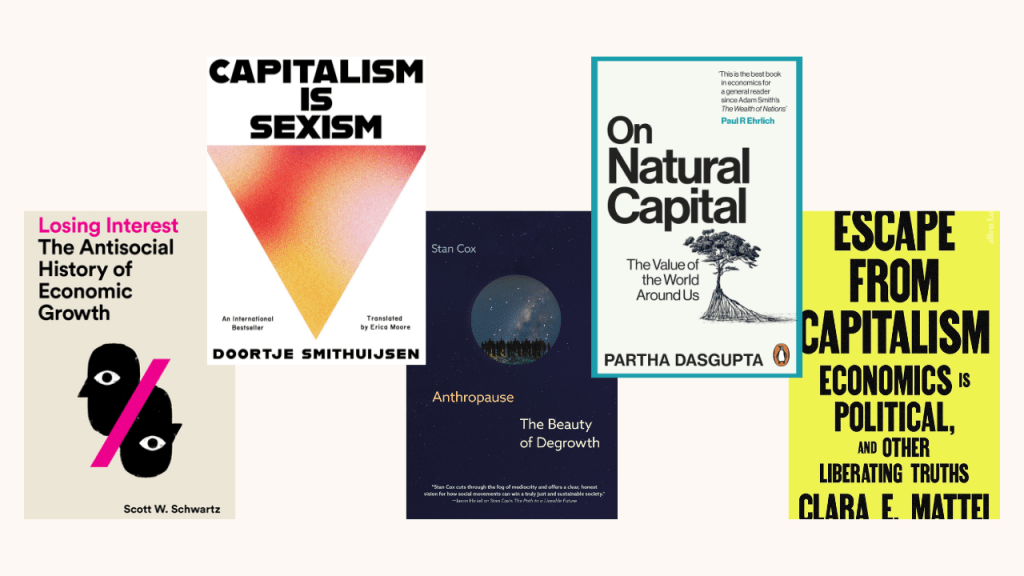
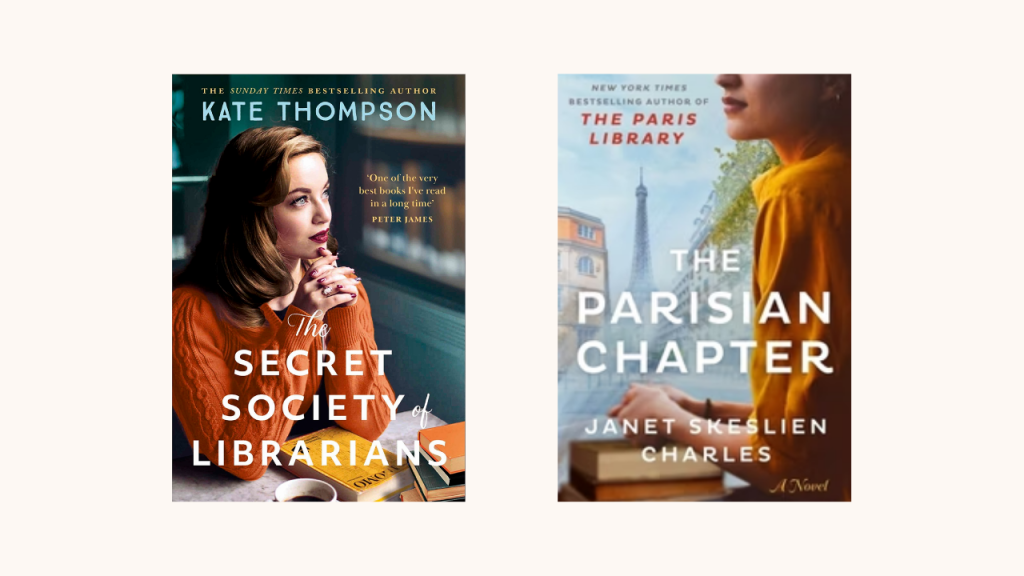
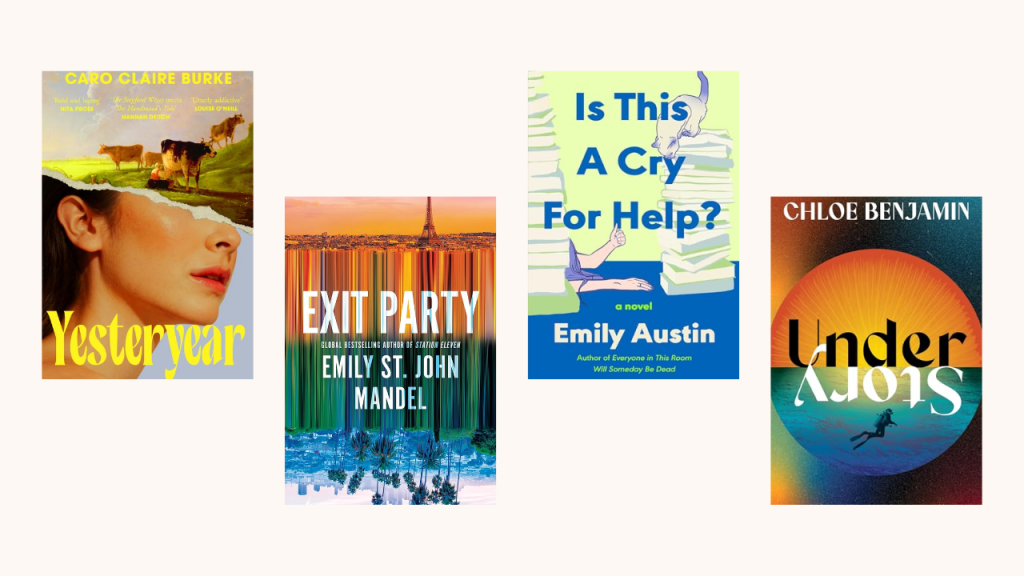
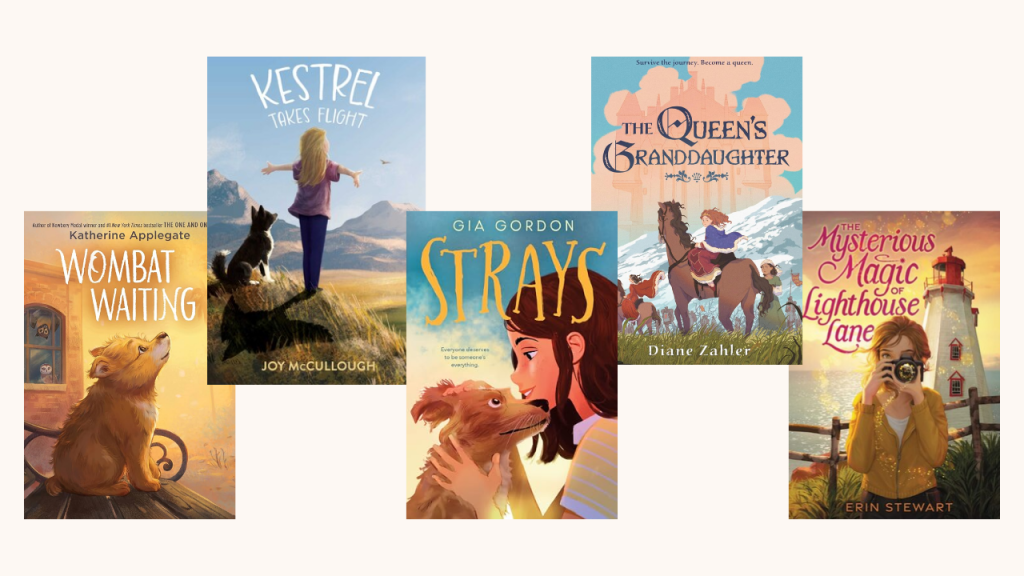
Book covers are how publishers communicate with you. Their goal is to grab your eye in the shortest amount of time possible. That’s why all genre-fiction covers look the same-ish, so you know in a split second what you’re getting into. See a girl in vintage clothes standing in the centre of the cover? Probably historical fiction. See a sword, some thorns or dark colours? Probably romantasy. See a woman lounging on a piece of furniture? Definitely a sad girl read. Permission granted: judge away!
Literary publications
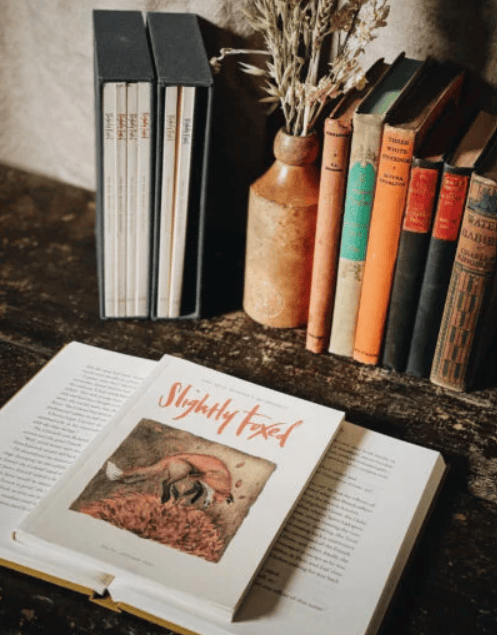
See what magazines your library subscribes to. My favourite is Good Reading, an Australian magazine that is perfect for those wanting Southern Hemisphere focused content. Some libraries stock The New York Review of Books, the Literary Review and even indie publications like Slightly Foxed. When I worked at a magazine store, Slightly Foxed was my favourite literary journal, and though it cost a fortune to ship from the UK to NZ, I couldn’t get my mitts on it quick enough.
Out and About
Go thrifting!
Remember what it felt like to randomly discover a book? Before I was chronically online (I’m working on it), I would walk into a secondhand bookshop or op-shop and be completely surprised by what treasures lay buried beneath the dust. Oh the joys of strange and obscure secondhand bookshop finds! As a teenager I discovered the tried and true stamp of Oprah Winfrey’s approval on 90’s book covers, foxed five-hundred-page-plus fantasy tomes, dusty leather-bound classics that had no blurb and could only be uncovered by pouring over the dense prose on the first page. It’s an exciting experience, and it costs only a few dollars.
Mine the references and author’s notes
I cannot recommend doing this enough, especially if you are a non-fiction reader or historical fiction reader. Authors will often put in their research, inspiration, sometimes even comp-titles (comparison reads – in other words, personalized book recommendations!) into their notes, appendixes and references. It was through reading Sue Monk Kidd’s ‘Author’s Note’ in The Book of Longings, that I learned about the poem: ‘The Thunder, Perfect Mind’ from the The Nag Hammadi Library. Reading your favourite authors in their interviews is another way to get the books that inspired them and go straight to the sources.
Revisit what you loved as a kid!
The things that made us curious as children are often deeply buried desires that can direct your reading. My fiancé and I recently rewatched the Indiana Jones series, prompting me to recall the archaeological shows I loved as a kid on National Geographic and the Discovery Channel. Needless to say, the next day I came home from the library with a fat stack of adventure novels with an archaeologist protagonist, a history of Mayan and Aztec civilizations, and a copy of Horrible Histories, for a nostalgic blast from the past. (Which led to a lot of ‘Did you know…?” facts for my long-suffering fiancé over the next few days.)
Algorithm-Adjacent Options (gasp!)
Online book lists
Like the aforementioned Oprah Winfrey reading list (which has over 100-titles now) there is also Reese Witherspoon’s book club. Or, there’s the Rory Gilmore Reading List, for all the Gilmore Girls girlies. Perhaps you could try reading a book from every country with The Torchlight List: Around the World in 200 Books by James Flynn. (All of these are lists I would love to make my way through one day.) Even the Goodreads Choice Awards is a valuable resource that users themselves have voted on, not bots. Though I don’t personally want to support Amazon, Goodreads does have some great tools – like their ‘most popular books of the decade’ lists and their blog.
Good old fashioned book blogs
Oh hey! Thanks for being here. There are a couple of blogs I’d like to recommend, and more to find for yourself out in the wild, too. Reading the Past is a necessary resource for the historical fiction obsessed, like myself. Pop Goes the Reader is the place to be for middle grade reading recommendations.
(You may notice I’m not recommending any Substacks and that is because I like old-school blogs, with full creative control better. And, because Substack has distinctly ‘social media’ features, which I try to avoid.)
LitHub
Lithub deserves its own section because they are peak internet. I stand by it. I’ll say no more, just go check it out. Please.
Presses and prize winners
Another place for book lists (no, I will never stop scribbling little lists of books I’d like to read) is through smaller presses and prize winners. There are prizes for everything, from localized – we have the Ockham here in NZ – to international, like the Booker Prize. Some of my favourites include the Wainwright Prize (which I mentioned earlier, a prize for nature writing) and the Women’s Prize.
A smaller press I would recommend is Virago, which aims to amplify forgotten women’s voices to their rightful status of ‘classic’. I collect their iconic 70’s green spine editions, the Modern Classics list from female authors. Slightly Foxed, who I raved about earlier, also have their own teeny-tiny curated press. Cast your eye over the publication page in your favourite books for the press house that published them, as you can often find similar stuff within imprints.
The other day when a woman come up to the counter to issue her books, she said to me, ‘I want to speak to an actual human being.’ What gets me through the work day is having these little chats with library patrons. So please, keep recommending books to me. I can’t promise to read them all, but I do promise to stop for a chat and not ChatGPT.
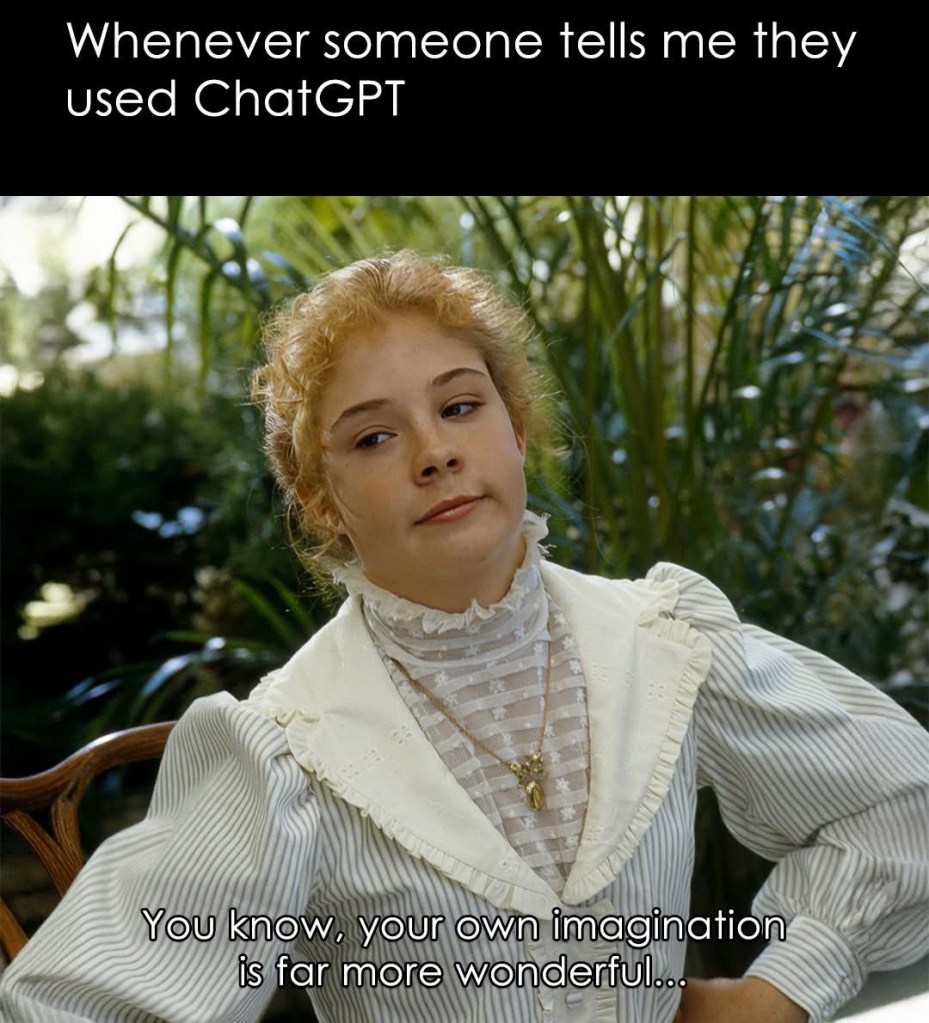
Never stop gushing about your favourite books to librarians. There may be an argument for AI’s place in our community, but it is not in replacing our face-to-face conversations; or how we can research and follow the threads of curiosity all the way down the rabbit hole. I’ll leave you with this wonderful Anne Shirley meme.
* patrons names have been changed to protect their identities
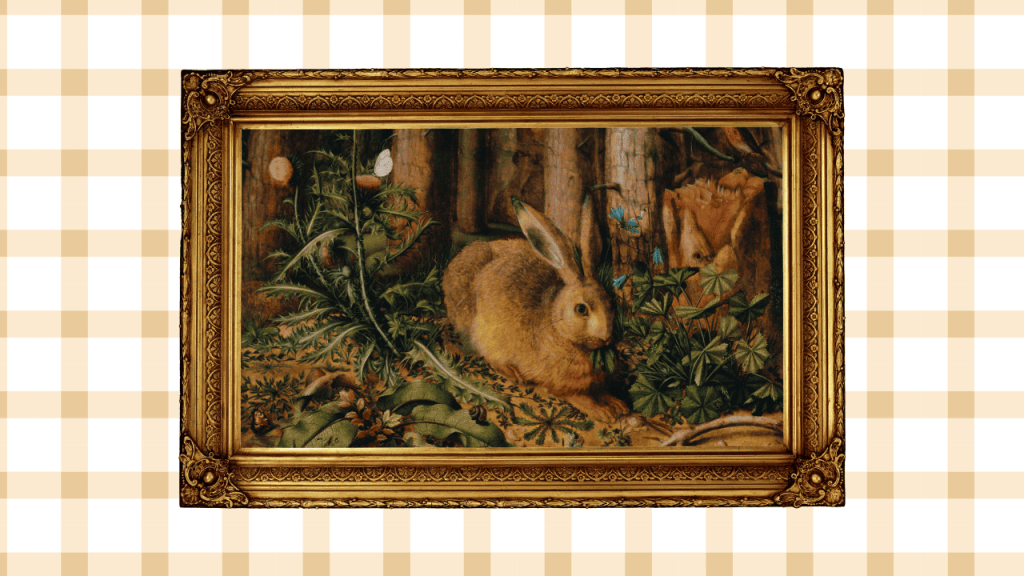
Cover image from Useum, titled A Hare in the Forest by Hans Hoffman, 1585.